

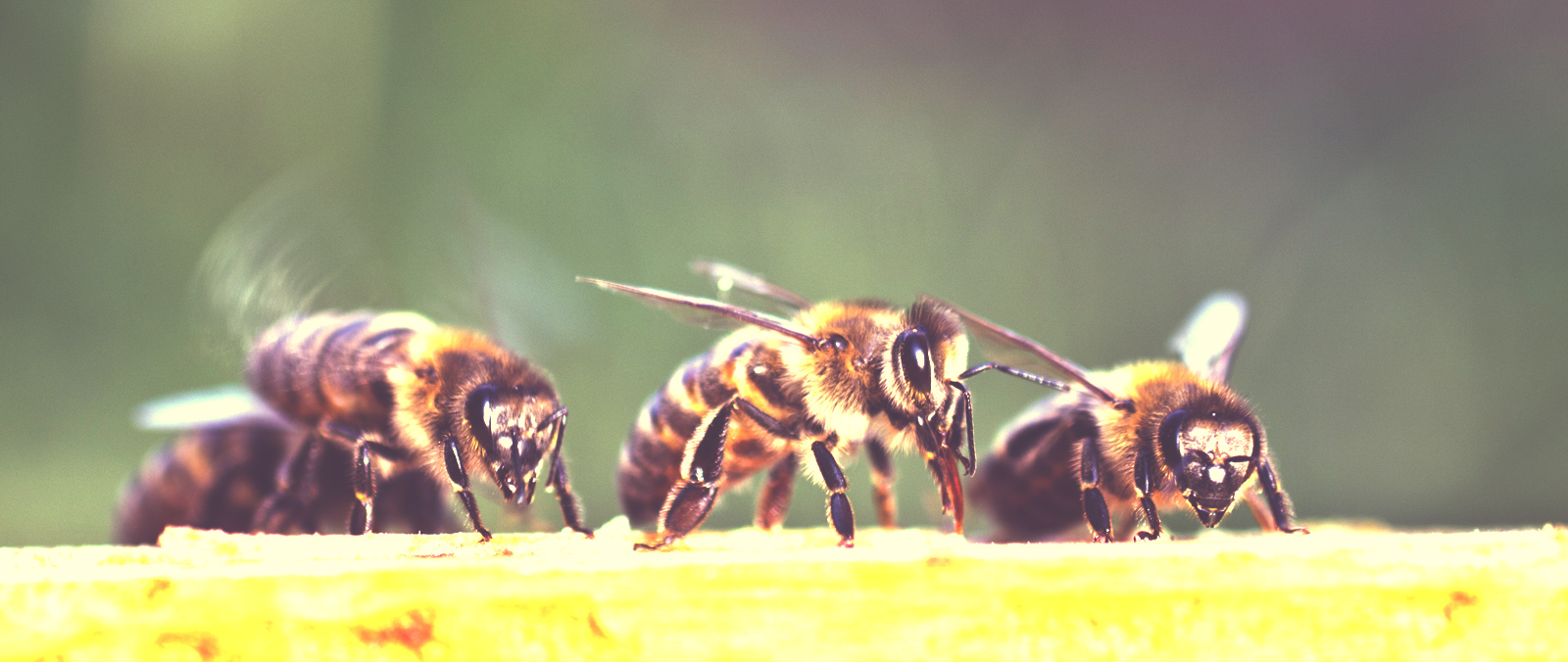
This is a bee hive inspection post I wish I did not have to write. We entered winter with 19 live hives. Fifteen of them died over the winter. After years of Seattle urban beekeeping, this was a hard reckoning. We spent the spring trying to understand what happened — and what to do differently.
Understanding Winter Losses in Seattle Beehives
Only one hive died of starvation. All of the others had more than enough stores to see them through. Two hives died in the last two weeks and appear to be victims of CCD — colony collapse disorder. The bees simply disappeared, leaving behind honey, capped brood, and no recent dead bee corpses. Several others died between February 1 and March 1 during the coldest part of winter. We found softball-sized clusters of dead bees — the colony had likely been too small to generate enough warmth for the spring brood buildup.
What will we do differently? We did not treat for varroa mites or trachea mites last fall. We need to do both. Additionally, we have started with a hops-based treatment and a formic acid-based option, neither of which is classified as a pesticide. We are also feeding sugar water and pollen substitute during the cold weeks when bees cannot forage.
New Packages and a CCD Experiment
We hived 8 new packages of bees over the last weekend and are running a small experiment. We placed 4 new boxes of bees on frames that held honey last summer. Four more went on brand-new plastic frames. We are following the work of Craig Cella of Loganton, PA, who described this experiment in the April 2011 American Bee Journal. Any reused boxes, bases, or lids were dipped in a 10% bleach solution first.
Beekeepers have placed new bees on old comb for years because bees like drawn-out frames — they can start raising a family immediately without building comb from scratch. However, there is growing evidence that old wax harbors pesticides and possibly pathogens. Old comb absorbs pesticides from the environment, and some diseases — like American foul brood spores — can persist in wax. Our experiment will track brood pattern differences between the new and reused-frame hives.
We enter spring humbled. Ten more packages are coming, bringing us to 22 hives across 10 locations in north Seattle. We feel responsible for our losses and are committed to doing better this year. In particular, treating for mites in fall will be non-negotiable going forward.