

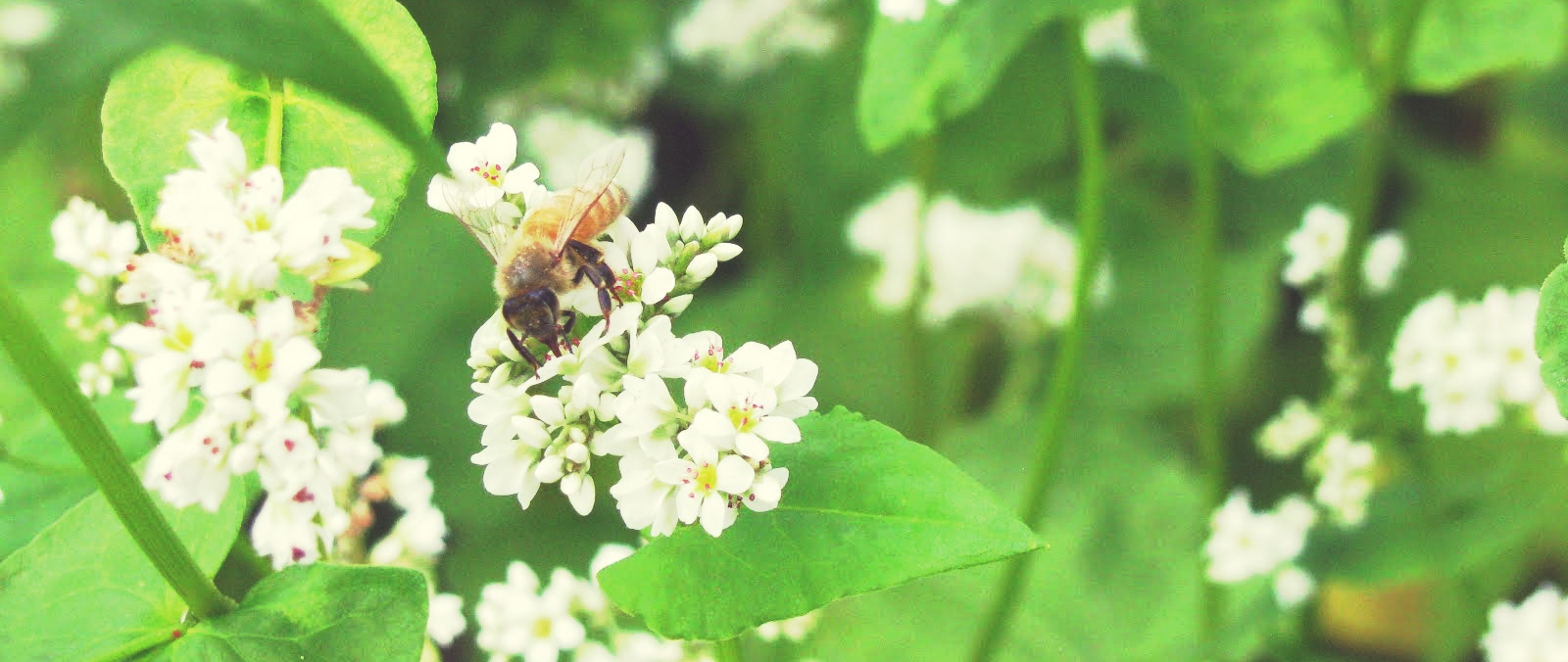
Honey bees foraging in an urban garden means working a wider variety of plants than any agricultural setting — leeks gone to flower, garden herbs, ornamental blooms, and wild plants along fence lines. This Seattle summer has been frustrating for beekeeping: cool, overcast day after cool, overcast day, limiting how much time the bees can forage.
When Is Honey Ready to Harvest?
We are seeing a lot of uncapped honey frames that we hope will be ready this week or next. Bees put a thin coat of wax over honey cells when the honey has been dehydrated enough to prevent fermentation. We wait until at least 80% of a frame is capped before extracting. A frame of nearly-ready honey shows a white waxy edge along the top — that lighter area indicates newly capped cells where the bees have decided moisture content is low enough.
Additionally, we love having visitors at the hives. A family visiting from California watched my husband work a backyard hive — a reminder that urban beekeeping education is part of what we do. Every hive inspection is an opportunity to share what bees actually look like in action.
Bee Sting Treatment: What Actually Helps
I got stung on the leg two days ago. My body over-reacts to bee venom — I swell more than average, which goes with the territory. Treatment has consisted of ice, Benadryl, hydrocortisone cream, and ibuprofen. I looked up folk remedies and tried a few, but I think I was too late for them to have effect. Ice gives the most immediate relief.
We are hoping to be at the Phinney Farmers Market in early August. The blackberry and linden nectar flows are finally building after a slow Seattle spring and summer. If you want to know more about these varietals, our guide to local raw honey in Seattle covers what makes each one distinct.